
Root Canal Therapy in Everett, WA
Root Canal Therapy Near You
Persistent tooth pain can interfere with eating, sleeping, and concentrating. When inflammation or infection reaches the inside of a tooth, timely care may relieve discomfort and prevent the tooth from being lost. At 19th Avenue Dental, we provide root canal therapy in Everett, WA to remove damaged tissue and preserve the natural tooth whenever possible.
Our Everett practice has served the community for more than 20 years and provides convenient access to restorative dental care. If you are looking for root canal therapy near you, our team can evaluate your symptoms, explain your options, and help you receive appropriate treatment before the problem worsens.
What Is Root Canal Therapy?
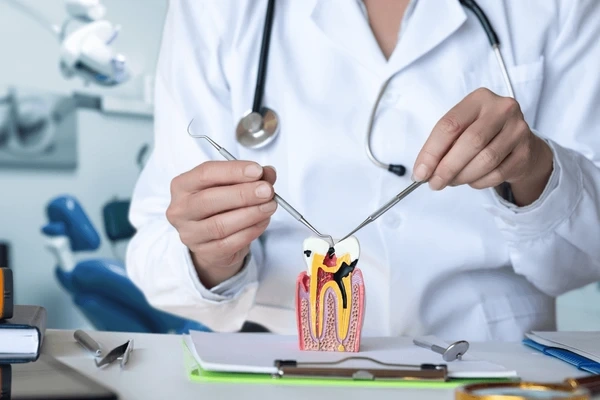
Root canal therapy treats inflammation or infection inside a tooth. Beneath the enamel and dentin is a soft tissue called the dental pulp, which contains nerves and blood vessels. Deep decay, cracks, trauma, or repeated dental work can damage the pulp. During treatment, the affected tissue is removed, and the space inside the tooth is cleaned and sealed.
The procedure can relieve pain and help preserve a tooth that might otherwise require removal. Because the treated tooth may become more vulnerable to fracture, a filling or crown is often needed to restore its strength.
If you are looking for root canal therapy near you, schedule an exam with our dentist in Everett, WA.
When Might You Need Root Canal Therapy?
Not every toothache requires this treatment, but ongoing or worsening symptoms should be assessed promptly. Consider visiting a dentist near you for an examination if you notice:
Persistent tooth pain
Lingering sensitivity to heat or cold
Pain when biting or chewing
Swelling around a tooth
A pimple-like bump on the gums
Darkening of a tooth after an injury
A chipped or cracked tooth with discomfort
Some infected teeth cause few symptoms, which is why an examination and dental X-rays may be needed to confirm the problem.
What Are the Benefits of Root Canal Therapy?
Root canal treatment can help protect your oral health while allowing you to keep your natural tooth. Potential benefits include:
Relieving pain caused by inflamed or infected pulp
Removing infection from inside the affected tooth
Preserving the tooth instead of extracting it
Maintaining chewing ability on the treated side
Preventing nearby teeth from shifting into an extraction space
Supporting a natural appearance with a suitable final restoration
What Happens During Root Canal Treatment?
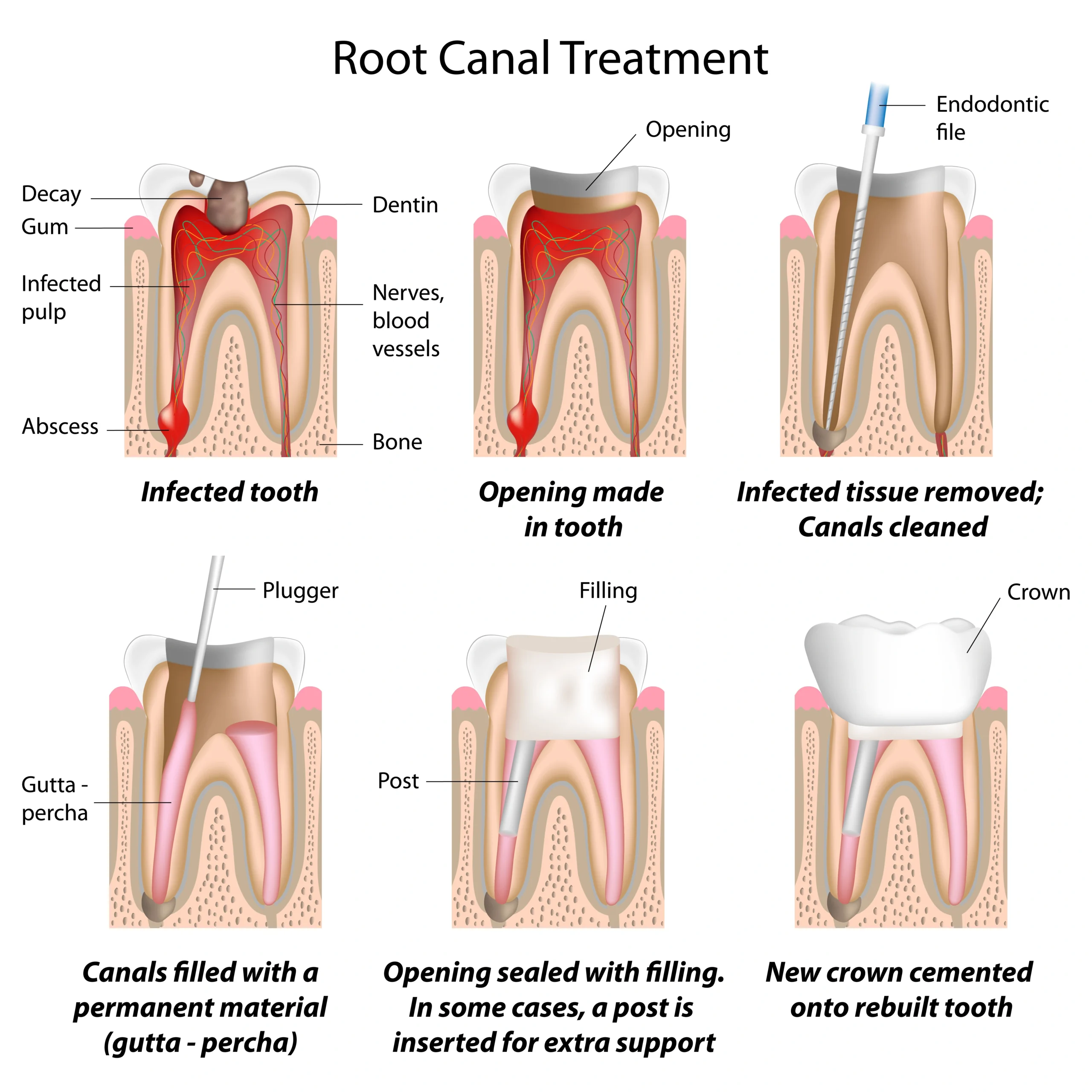
The procedure focuses on cleaning and sealing the inside of the tooth while preserving healthy surrounding structure. When providing root canal therapy in Everett, WA, we follow these steps:
Examination and imaging
We assess your symptoms and use digital X-rays to examine the tooth and surrounding bone.
Local anesthesia
We numb the treatment area to help keep you comfortable.
Pulp removal
We create a small opening and carefully remove inflamed or infected tissue.
Canal cleaning
We clean, shape, and disinfect the spaces inside the tooth.
Tooth sealing
We fill the canals with a biocompatible material and seal the opening.
Final restoration
We restore the tooth with a filling or recommend a crown when additional protection is needed.
Some cases can be completed in one appointment, while others may require more than one visit depending on the tooth and the extent of infection.
What to Expect After Root Canal Treatment
Mild tenderness around the treated tooth may occur for a few days, especially when biting. This discomfort should gradually improve. To support recovery:
Follow medication directions provided by our team
Avoid chewing on the tooth until the final restoration is placed
Brush and floss gently around the treatment area
Attend your follow-up visit if another appointment is required
Contact us promptly if swelling or severe pain develops
Why Choose 19th Avenue Dental for Root Canal Therapy?
Treating an infected tooth requires careful diagnosis, clear communication, and attention to your comfort. When you choose our clinic for root canal therapy in Everett, WA, you can expect:
Long-standing community care
We have served Everett for more than 20 years.
PPO insurance acceptance
We accept PPO plans from major insurance carriers.
Current dental technology
Our equipment supports accurate examinations and treatment planning.
A spacious treatment setting
Our high-end facility includes 5 operatories.
Convenient local access
Our established practice is recognized within the community and easy to reach.
Fully digital systems
We use digital X-rays and charts to keep your care organized and efficient.
Find Relief From Persistent Tooth Pain
Tooth pain, swelling, or lingering sensitivity may indicate a problem that needs prompt attention. At 19th Avenue Dental, we provide root canal therapy near you to relieve discomfort, address infection, and help preserve your natural tooth.
Call us at (425) 541-8714 or visit us at 10217 19th Ave SE #203, Everett, WA 98208, United States to schedule an examination.
FAQs
Is root canal therapy painful?
Local anesthesia is used to numb the area during treatment. You may feel pressure, but you should not feel sharp pain. Mild soreness afterward is common and usually improves within a few days.
Can a tooth become infected again after root canal therapy?
Although treatment is intended to remove infection and seal the tooth, reinfection can occasionally occur. This may happen if the tooth cracks, the seal breaks down, or bacteria enter through new decay.
What are the alternatives to root canal treatment?
When a tooth cannot or should not be treated, extraction may be considered. The missing tooth may then need to be replaced to restore chewing function and prevent nearby teeth from shifting.
How long will my mouth remain numb after the procedure?
Numbness commonly lasts for a few hours. Avoid chewing and drinking very hot liquids until your sensation returns to normal to reduce the risk of accidentally biting or burning your mouth.
Can a root canal-treated tooth last a lifetime?
A properly treated and restored tooth may remain functional for many years. Its longevity depends on the amount of remaining tooth structure, the final restoration, oral hygiene, and regular dental care.