
Desensitizing Treatments in Everett, WA
Desensitizing Treatments Near You
A cold drink or hot meal should not make you hesitate before taking the next sip or bite. At 19th Avenue Dental, we provide desensitizing treatments in Everett, WA to identify the source of tooth sensitivity and help reduce discomfort during eating, drinking, brushing, and flossing.
Sensitivity can make ordinary routines frustrating, especially when it keeps returning. If you are looking for desensitizing treatments near you, our conveniently located Everett office offers care based on your symptoms, dental history, and oral health needs.

What Are Desensitizing Treatments?
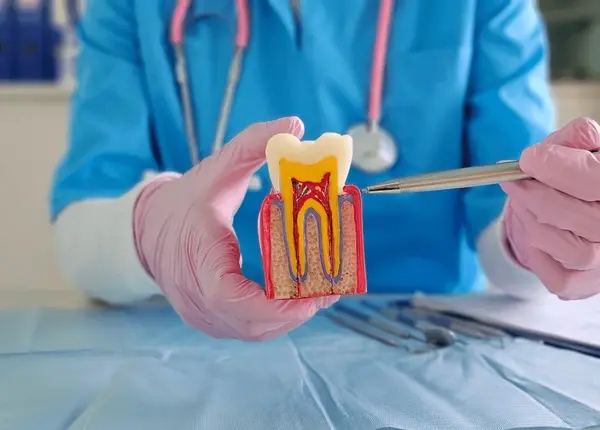
Tooth sensitivity often occurs when dentin, the layer beneath the enamel, becomes exposed. Hot, cold, sweet, or acidic substances can then reach the microscopic channels within the dentin and trigger a short, sharp sensation. Enamel wear, gum recession, cavities, cracks, grinding, and recent whitening can all contribute to sensitivity.
The right treatment depends on what is causing the discomfort. If you are looking for desensitizing treatments near you, schedule an examination with our dentist in Everett, WA.
What Treatments May Be Recommended?
At 19th Avenue Dental, we offer several options for desensitizing treatments in Everett, WA, depending on the condition of your teeth and gums:
Fluoride applications
We may apply fluoride to strengthen enamel and reduce sensitivity.
Desensitizing products
We may recommend professional or at-home products that help block sensitivity signals.
Dental bonding
We can cover exposed root surfaces or worn areas when bonding is appropriate.
Restorative care
We may treat cavities, cracks, or damaged restorations contributing to discomfort.
Custom nightguards
We may recommend a nightguard when grinding or clenching is wearing down the teeth.
Home-care guidance
We can suggest changes to your brushing technique, toothpaste, and dietary habits.
When Might You Need Treatment for Sensitive Teeth?
Occasional sensitivity may be temporary, but recurring or worsening symptoms should be examined. Consider visiting a dentist near you if you experience:
Sharp discomfort with hot or cold foods
Sensitivity to sweets or acidic drinks
Pain while brushing or flossing
Discomfort around exposed tooth roots
Sensitivity after whitening that does not improve
Repeated pain in one particular tooth
Symptoms that interfere with eating or drinking
What Are the Benefits of Desensitizing Treatment?
Appropriate care may help you:
Reduce daily discomfort
Eating, drinking, and brushing may become more comfortable.
Protect exposed areas
Certain treatments can cover or strengthen vulnerable tooth surfaces.
Address the cause
An examination can reveal decay, cracks, recession, or enamel wear.
Improve home care
Less sensitivity can make brushing and flossing easier to maintain.
Prevent further irritation
Personalized recommendations can help you avoid habits that worsen symptoms.
What to Expect During Your Appointment
Sensitivity can have more than one cause, so an accurate diagnosis comes first. When providing desensitizing treatments in Everett, WA, we follow a careful process:
Discussing your symptoms
We ask when the sensitivity started, what triggers it, and how long it lasts.
Examining your teeth and gums
We check for enamel wear, recession, decay, cracks, and damaged dental work.
Taking digital X-rays when needed
Images may help us evaluate areas that cannot be seen directly.
Identifying the likely cause
We explain what may be contributing to your symptoms.
Recommending suitable care
We review the available options and answer your questions.
Planning follow-up care
We monitor your response and adjust treatment when necessary.
How to Care for Sensitive Teeth
Use a soft-bristled toothbrush.
Brush gently with fluoride toothpaste.
Avoid brushing immediately after consuming acidic foods or drinks.
Follow any product instructions we provide.
Wear your nightguard as directed.
Let us know if the sensitivity becomes stronger, lasts longer, or begins without an obvious trigger.
Why Choose 19th Avenue Dental for Desensitizing Treatments?
We take time to determine why sensitivity is occurring rather than relying on the same recommendation for everyone. When you choose our clinic for sensitivity care, you can expect:
More than 20 years of service
We have served the Everett community for over two decades.
PPO insurance acceptance
We accept PPO plans from major carriers.
Current dental technology
We use modern equipment to support accurate examinations and treatment planning.
A 5-operatory facility
Our high-end practice includes 5 operatories.
A convenient local office
Our Everett location makes ongoing care easier to access.
Fully digital systems
We use digital X-rays and charts to support organized, coordinated care.
Find Relief From Tooth Sensitivity
You do not have to plan every meal around sensitive teeth. At 19th Avenue Dental, we offer desensitizing treatments near you to help reduce discomfort and protect affected tooth surfaces when possible.
Call us at (425) 541-8714 or visit us at 10217 19th Ave SE #203, Everett, WA 98208, United States, to schedule an examination.
FAQs
How quickly do desensitizing treatments work?
The timing depends on the cause and treatment used. Some patients notice improvement soon after an in-office application, while at-home products may require consistent use for several weeks.
Can sensitivity in one tooth indicate a cavity or crack?
Yes. Sensitivity limited to one area can be related to decay, a crack, a loose filling, or another localized concern. An examination can determine the cause.
Can a nightguard reduce tooth sensitivity?
A nightguard may help when grinding or clenching is causing enamel wear or placing stress on the teeth. It will not correct every cause of sensitivity.
Can teeth whitening cause sensitivity?
Yes. Temporary sensitivity can occur during or after whitening. We can recommend ways to reduce discomfort and determine when whitening should be paused.
When should tooth sensitivity receive urgent attention?
Seek prompt dental care if sensitivity becomes severe, lasts after the trigger is gone, occurs with swelling, follows an injury, or is accompanied by significant pain.