
Dental Bridges in Everett, WA
Dental Bridges Near You
A missing tooth can make chewing uncomfortable, affect the way you speak, and leave nearby teeth without proper support. Replacing it can restore balance to your bite and help you feel more comfortable with your smile. At 19th Avenue Dental, we provide dental bridges in Everett, WA, to replace one or more missing teeth with a secure, natural-looking restoration.
Our conveniently located Everett practice has served the community for more than 20 years. If you are looking for dental bridges near you, we can evaluate the space in your smile and help you understand which tooth-replacement option may suit your oral health and preferences.
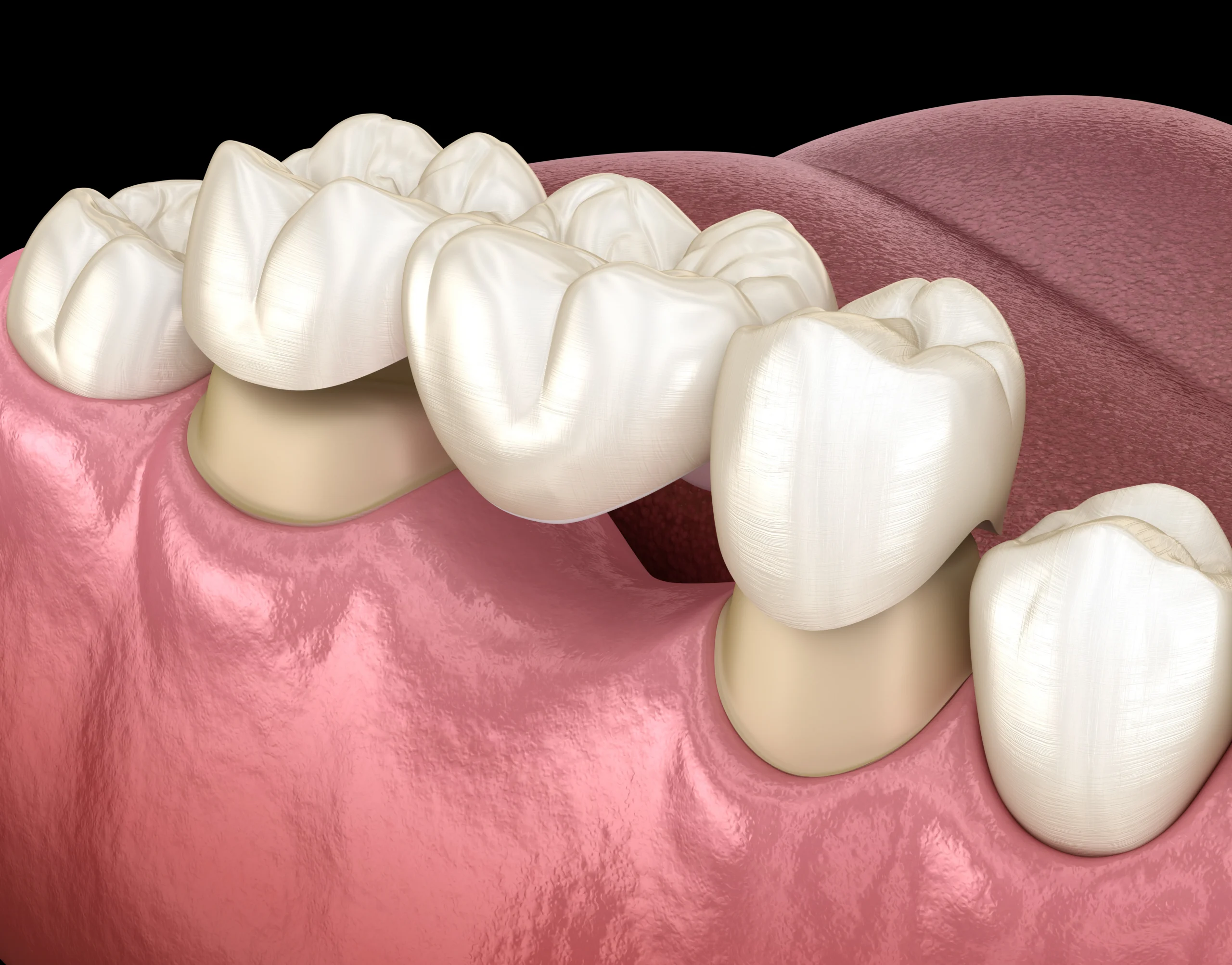
What Are Dental Bridges?
A dental bridge is a fixed restoration used to fill a space left by one or more missing teeth. It includes one or more artificial teeth supported by natural teeth, dental implants, or a combination of both. A bridge can improve chewing and appearance while helping prevent nearby teeth from gradually moving into the open space.
If you are looking for dental bridges near you, schedule an exam with our dentist in Everett, WA.
What Types of Dental Bridges Do We Offer?
The appropriate design depends on the number and location of the missing teeth, the condition of the surrounding teeth, and the available bone support. At 19th Avenue Dental, we offer the following options for dental bridges in Everett, WA:
Tooth-supported bridges
These restorations are secured to prepared teeth on both sides of the space and may be recommended when the supporting teeth are healthy enough to hold a bridge.
Implant-supported bridges
These bridges attach to dental implants rather than natural teeth and may be used when several adjacent teeth are missing.
We will explain the advantages and limitations of each option before recommending treatment.
When Might You Need a Dental Bridge?
Leaving a space untreated may affect how your teeth come together and allow neighboring teeth to shift. Consider visiting a dentist near you for an examination if you have:
One or more missing teeth
Difficulty chewing on one side
Changes in your speech
Teeth shifting toward an open space
An uneven or uncomfortable bite
Concerns about a visible gap
What Are the Benefits of Dental Bridges?
A properly designed bridge can restore more than the appearance of your smile. Potential benefits include:
Replacing missing teeth with a fixed restoration
Improving chewing by restoring contact between the upper and lower teeth
Supporting clearer speech when tooth loss affects pronunciation
Limiting tooth movement around an empty space
Maintaining bite balance by distributing pressure more evenly
Creating natural-looking results that complement the surrounding teeth
What to Expect During the Dental Bridge Process
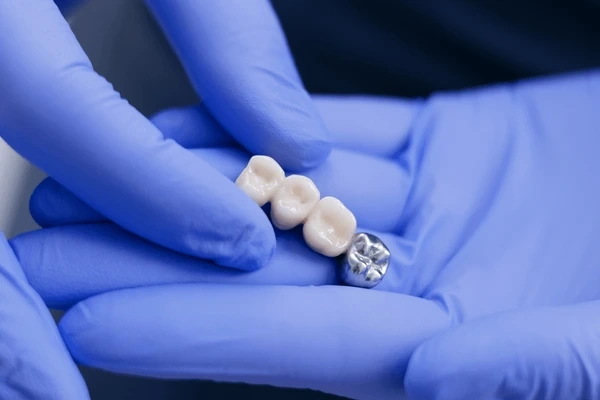
Bridge treatment is planned according to the condition of the supporting teeth and the type of restoration selected. When creating dental bridges in Everett, WA, we take the following steps to support a comfortable fit and dependable function:
Examination and planning
We assess your teeth, gums, bite, and the area where the tooth is missing. Digital images may be taken to help us plan your restoration.
Supporting tooth preparation
For a tooth-supported bridge, we carefully reshape the neighboring teeth to make room for the restoration.
Digital scan or impression
We record the shape of your teeth and bite so the bridge can be made to fit accurately.
Temporary protection
When needed, we place a temporary bridge to protect the prepared teeth while the final restoration is being made.
Bridge placement
We position the completed bridge, evaluate its fit and appearance, and make any necessary adjustments.
Final attachment
Once the bridge feels comfortable and your bite has been checked, we secure it in place.
An implant-supported bridge requires additional stages because the implants need time to integrate with the jawbone before the final restoration is attached.
How to Care for Your Dental Bridge
A bridge cannot develop decay, but the teeth supporting it and the surrounding gums still require daily care. To help protect your restoration:
Brush twice daily using a soft-bristled toothbrush and fluoride toothpaste
Clean beneath the bridge with floss threaders, interdental brushes, or another recommended aid
Limit very hard foods that could chip or damage the restoration
Attend regular examinations so we can check the bridge and supporting teeth
Contact us promptly if the bridge feels loose or your bite changes
Why Choose 19th Avenue Dental for Dental Bridges?
Replacing a tooth requires thoughtful planning and attention to how the restoration fits within your bite. When you choose our clinic for dental bridges in Everett, WA, you can expect:
Long-standing community care
We have served Everett and nearby communities for more than 20 years.
PPO insurance acceptance
We accept PPO insurance plans from major carriers.
Current dental technology
We use modern equipment to support accurate examinations and treatment planning.
Spacious treatment environment
Our high-end facility includes 5 operatories.
Convenient local access
Our established practice is recognized within the community and easy to reach.
Fully digital systems
We use digital X-rays and charts to keep care organized and efficient.
Replace a Missing Tooth With a Custom Bridge
A gap in your smile can affect everyday comfort, but it does not have to remain untreated. At 19th Avenue Dental, we provide dental bridges near you to restore missing teeth and help you chew, speak, and smile comfortably.
Call us at (425) 541-8714 or visit us at 10217 19th Ave SE #203, Everett, WA 98208, United States to schedule a consultation.
FAQs
How long can a dental bridge last?
The lifespan varies based on the bridge design, the health of the supporting teeth, oral hygiene, and regular dental care. With proper maintenance, a bridge may remain functional for many years.
Will getting a dental bridge hurt?
Local anesthesia is typically used when the supporting teeth are prepared, so you should not feel pain during that part of the procedure. Mild sensitivity or tenderness may occur afterward but usually improves.
Can I eat normally with a dental bridge?
After you adjust to the restoration, you should be able to eat a varied diet. Avoid biting very hard foods or objects that could damage the bridge.
What happens if a tooth supporting my bridge develops decay?
Decay can weaken a supporting tooth and affect the stability of the bridge. Early treatment may help preserve the tooth, although the bridge may need to be removed, repaired, or replaced.
Does a dental bridge require surgery?
A tooth-supported bridge usually does not require surgery. An implant-supported bridge involves surgical placement of dental implants before the final bridge can be attached.