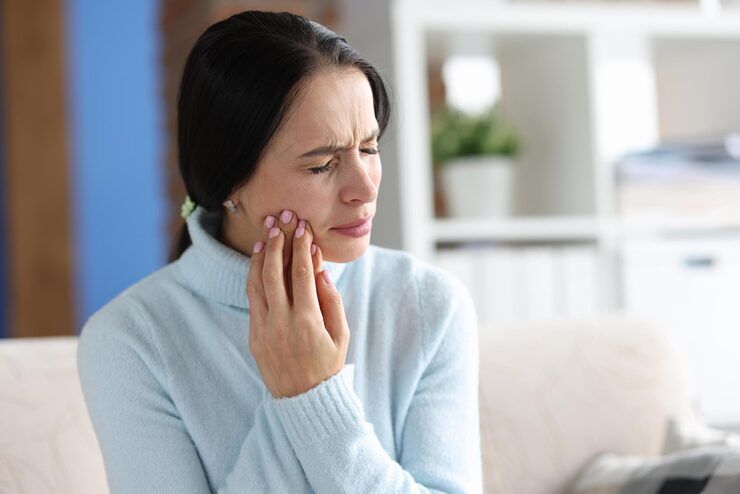



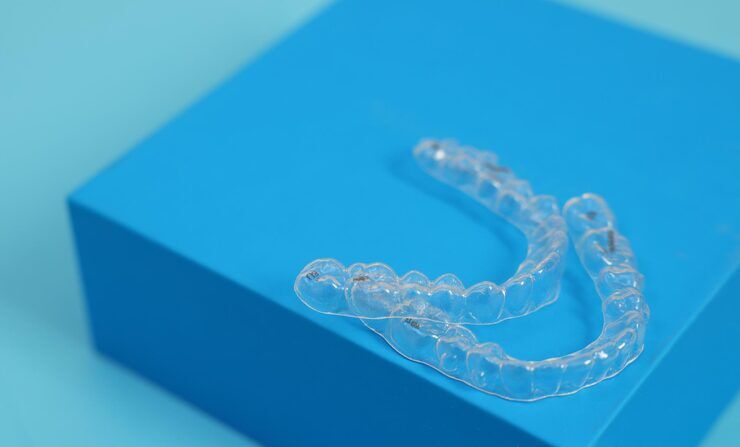
Teeth grinding during sleep can go unnoticed because it often happens without conscious awareness. You may first notice a tight jaw in the morning, recurring headaches, or changes to your tooth surfaces. Night guards in Everett can be an option for people whose teeth need protection from repeated clenching or grinding. A night guard creates a barrier between the upper and lower teeth, which may reduce direct contact and wear. It does not necessarily prevent the jaw muscles from clenching, so an examination is important to understand the problem and determine whether an appliance is appropriate for your particular situation.
What Are the Signs You May Be Grinding Your Teeth at Night?
Sleep bruxism is clenching or grinding of the teeth during sleep. Its effects may be easier to notice than the habit itself. Possible signs include:
- Morning Jaw Tightness: Jaw muscles may feel tired or tender after waking.
- Temple Headaches: Dull headaches may occur around the temples.
- Tooth Wear: Repeated contact can flatten chewing surfaces or wear tooth edges.
- Chips or Cracks: Excessive force may damage teeth or restorations.
- Sensitivity: Enamel wear or cracks can increase sensitivity.
These may be signs you grind your teeth at night, but they do not confirm the condition. Headaches and jaw pain have other possible causes, including joint problems and injuries. An examination helps distinguish between them.
When Might a Night Guard Be Useful?
A night guard may be useful when grinding places repeated pressure on the teeth, but the decision depends on the amount of wear, the condition of existing dental work, and your bite.
During an assessment, a dentist may review your sleep history, symptoms, tooth surfaces, jaw muscles, and restorations. A guard is not automatically needed for everyone with morning soreness. It can protect teeth without stopping the muscle activity itself.
How Do Sleep and Sports Guards Differ?
The distinction between a night guard vs mouth guard is the type of protection each appliance provides. A night guard is worn during sleep to reduce direct tooth-to-tooth contact; a sports mouth guard cushions the teeth and surrounding tissues during activities that involve impact.
The appliances are not interchangeable. A sports guard may be bulky for overnight use, and a night guard is not designed to protect against sports impacts. The intended use determines the suitable design.
Why Does Fit Matter?
Custom appliances are shaped to an individual’s teeth and bite. A close fit can help the guard stay stable during sleep. Store-bought versions vary; a poor fit may shift, feel bulky, or irritate the gums.
A dental office in Everett can assess your bite and tooth condition before recommending an appliance. Custom night guards are listed among local preventive dental services. If a guard becomes loose, sore, or changes your bite, have it checked rather than reshaping it at home.
Where Can You Have Grinding Symptoms Assessed?
A dental office near you can examine tooth wear, check restorations, and assess whether jaw discomfort may be linked to clenching. The local clinic offers custom night guards to protect teeth from nighttime pressure. Appliance design and follow-up depend on the assessment.
Arrange an examination for ongoing jaw pain, damaged teeth, persistent sensitivity, or difficulty chewing. Sudden severe pain, swelling, or symptoms after an injury may need more urgent evaluation. Do not assume every headache is caused by grinding.
Take a Practical Step Toward Protecting Your Teeth
Grinding can place repeated pressure on teeth and restorations, even when it happens without you noticing. Recognizing changes early gives you an opportunity to understand the cause and consider suitable protection.
Book a consultation with 19th Avenue Dentistry to discuss possible grinding symptoms and whether a night guard is appropriate. An assessment can help clarify the next step for protecting your teeth.
FAQs
How can you tell if nighttime grinding is happening?
Clues can include jaw tightness on waking, temple headaches, worn or chipped teeth, and sensitivity. Someone sleeping nearby may notice grinding sounds. A dental examination can identify patterns of wear and consider other explanations before concluding the cause.
Will wearing an appliance stop the grinding habit?
Not necessarily. A night guard mainly separates the teeth and helps limit damage from repeated contact. It may not stop the jaw muscles from clenching or grinding. Persistent symptoms may need a broader assessment of sleep, health, and jaw function.
Can the same mouth guard be used for sleep and sports?
Usually, the two types are designed for different purposes. A sleep appliance is shaped to protect teeth from repeated grinding, whereas a sports guard is designed to cushion impact. Use an appliance for the activity it was made and assessed for.
When should a worn appliance be replaced?
Replacement may be needed when an appliance develops cracks, becomes loose, loses its shape, or causes discomfort. Its wear depends on grinding intensity, material, and care. Regular checks help determine whether it still fits properly and provides suitable protection during sleep.
Can repeated grinding cause lasting tooth damage?
Yes. Ongoing grinding may wear enamel, contribute to cracks, increase sensitivity, or damage fillings and crowns. Lost enamel does not grow back naturally. Early assessment can help identify damage and determine whether protective or restorative care is needed to protect the remaining tooth structure.