
Emergency Dental Care in Everett, WA
Emergency Dental Care Near You
Sudden tooth pain, swelling, or dental damage can interrupt your day and may worsen without timely attention. At 19th Avenue Dental, we provide emergency dental care in Everett, WA, to identify the problem, relieve discomfort, and protect your oral health.
Our conveniently located practice has served Everett and nearby communities for more than 20 years. If you are looking for emergency dental care near you, contact our team as soon as possible. We will ask about your symptoms and help determine how quickly you should be examined.
What Is Emergency Dental Care?
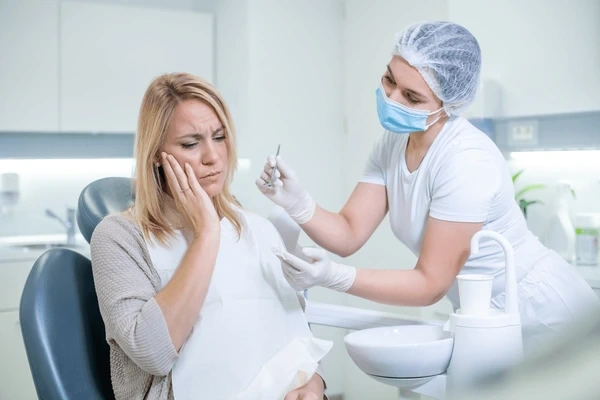
Emergency dental care addresses urgent problems involving the teeth, gums, or other oral tissues. These concerns may cause significant pain, bleeding, swelling, infection, or a risk of permanent damage if treatment is delayed.
Some situations require attention on the same day, while others can be managed temporarily until an appointment is available. The urgency depends on the cause, severity, and symptoms involved.
If you are looking for emergency dental care near you, schedule an exam with our dentist in Everett, WA.
What Dental Emergencies Do We Treat?
At 19th Avenue Dental, we treat a range of concerns through emergency dental care in Everett, WA, including:
Severe toothaches
Persistent pain may be related to decay, infection, a damaged filling, or a cracked tooth.
Chipped or broken teeth
Prompt care can protect the remaining tooth and prevent further damage.
Knocked-out teeth
Immediate attention may improve the chance of saving a permanent tooth.
Lost fillings or crowns
Repairing the restoration helps protect the exposed tooth from sensitivity and damage.
Dental abscesses
Infection may cause pain, swelling, drainage, or a bad taste in the mouth.
Soft-tissue injuries
Cuts to the gums, lips, cheeks, or tongue may require professional evaluation.
When Should You Seek Urgent Dental Care?
Some symptoms should not be ignored, even if the discomfort temporarily improves. Contact a dentist near youpromptly if you experience:
Severe or worsening tooth pain
Swelling in the gums, jaw, or face
A loose or knocked-out permanent tooth
A cracked tooth with pain or bleeding
Bleeding that does not slow down
Signs of infection, such as fever or drainage
Call 911 if swelling affects your breathing or swallowing or if you have severe facial trauma or uncontrolled bleeding.
What Are the Benefits of Prompt Emergency Dental Care?
Reduces discomfort by addressing the cause of your symptoms
Controls infection before it spreads to surrounding tissues
Preserves a tooth that might otherwise be lost
Prevents further damage to a cracked or weakened tooth
Protects dental restorations and the tooth beneath them
Provides clear guidance about treatment and follow-up care

What to Expect During an Emergency Dental Visit
The first goal is to understand the source and severity of the problem. When providing emergency dental care in Everett, WA, we generally follow these steps:
Symptom review
We ask when the problem began and whether your symptoms have changed.
Dental examination
We check the affected tooth and nearby oral tissues.
Digital imaging
We may take X-rays to look for decay, infection, fractures, or bone changes.
Immediate care
We address pain, bleeding, swelling, or exposed tooth structure when possible.
Treatment discussion
We explain the findings and review the appropriate options with you.
Follow-up planning
We arrange additional treatment if the problem cannot be fully resolved during the first visit.
What to Do Before Your Appointment
The right steps may help limit further damage while you are on your way to our office:
For a knocked-out permanent tooth
Hold it by the crown, not the root. If dirty, rinse it gently without scrubbing. Try to place it back in the socket without forcing it, or keep it moist in milk.
For facial swelling
Apply a cold compress to the outside of the face for short intervals.
For a broken tooth
Save any pieces you can find and avoid chewing on that side.
For a lost crown
Keep the crown and bring it to your appointment. Do not use household glue.
For bleeding
Apply gentle pressure with clean gauze.
For trapped food
Floss carefully, but do not use sharp objects between your teeth.
Why Choose 19th Avenue Dental for Emergency Dental Care?
An urgent dental problem calls for clear communication and careful treatment planning. When you choose 19th Avenue Dental for emergency care, you can expect:
Long-standing community care
We have served Everett for more than 20 years.
PPO insurance acceptance
We accept PPO insurance plans from major carriers.
Current dental technology
Our equipment supports accurate examinations and treatment planning.
A spacious facility
Our high-end office includes 5 operatories.
Convenient local access
Our recognized community practice is easy to reach.
Fully digital systems
We use digital X-rays and charts to keep your care organized and efficient.
Get Help With an Urgent Dental Problem
Dental pain, swelling, and injuries can become more difficult to treat when ignored. At 19th Avenue Dental, we offer emergency dental care near you to evaluate urgent concerns and provide appropriate treatment as soon as our schedule allows.
Call us at (425) 541-8714 or visit us at 10217 19th Ave SE #203, Everett, WA 98208, United States for assistance.
FAQs
Should I go to the dentist for a small chip that does not hurt?
Yes. Even a painless chip may leave the tooth vulnerable to further damage. We can examine it and determine whether smoothing, bonding, or another repair is appropriate.
Can I take pain medication before my emergency appointment?
You may be able to use an over-the-counter pain reliever if it is normally safe for you. Follow the package directions, and do not place aspirin directly on the tooth or gums.
What should I do if a baby tooth is knocked out?
Do not try to place a knocked-out primary tooth back into the socket. Contact us promptly so we can evaluate the injury and check the surrounding tissues.
Can swelling from a dental infection go away without treatment?
Swelling may temporarily decrease, but the underlying infection can persist and continue to spread. Dental evaluation is needed to identify and treat the cause.
Will my emergency problem be completely treated during the first visit?
Some concerns can be resolved in one appointment. Others may require initial care to relieve symptoms and protect the tooth, followed by another visit for definitive treatment.