
Periodontal Treatment in Everett, WA
Periodontal Treatment Near You
Gum disease can develop gradually, sometimes without causing noticeable pain. As it progresses, it may lead to gum recession, bone loss, loose teeth, and eventually tooth loss. At 19th Avenue Dental, we provide periodontal treatment in Everett, WA, to manage gum disease, reduce inflammation, and protect the tissues that support your teeth.
Our practice has cared for the Everett community for more than 20 years. If you are looking for periodontal treatment near you, our team can evaluate your gum health and recommend care based on your condition and individual needs.
What Is Periodontal Disease?
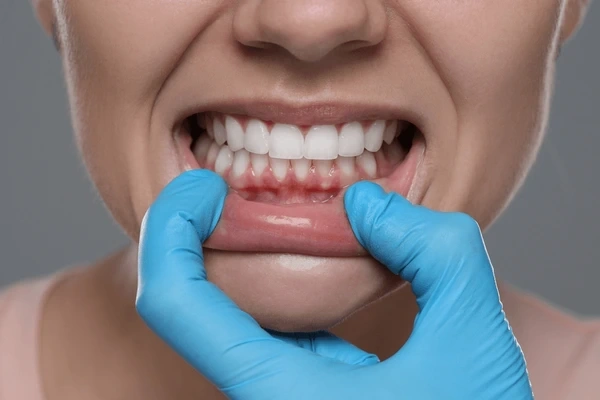
Periodontal disease is an infection and inflammatory condition affecting the gums and other structures that support the teeth. It usually begins as gingivitis, which may cause redness, swelling, or bleeding. Without treatment, the condition can progress and damage the bone and connective tissues that hold the teeth in place.
Plaque buildup is the main cause, but smoking, certain health conditions, medications, genetics, and inadequate oral hygiene may increase the risk or affect how the condition progresses.
If you are looking for periodontal treatment near you, schedule an exam with our dentist in Everett, WA.
What Treatments Are Included in Periodontal Care?
The recommended treatment depends on the depth of the gum pockets, the amount of inflammation, and whether supporting bone has been affected. At 19th Avenue Dental, we offer the following options for periodontal treatment in Everett, WA:
Scaling and root planing
Removes plaque and tartar from below the gumline and smooths the root surfaces to help the gums heal.
Gingivectomy
Removes selected areas of diseased or excess gum tissue when needed to reduce deep pockets or improve access for cleaning.
Clinical crown lengthening
Reshapes the gum tissue and, when necessary, the underlying bone to expose more of a tooth for restorative care.
When Might You Need Periodontal Treatment?
Gum disease is generally easier to manage when identified early. Consider visiting a dentist near you for an examination if you notice:
Bleeding while brushing or flossing
Red, swollen, or tender gums
Persistent bad breath
Gums pulling away from the teeth
Teeth appearing longer than before
Loose or shifting teeth
Discomfort when chewing
What Are the Benefits of Periodontal Treatment?
Treating gum disease may help control the infection and protect the structures that support your teeth. Potential benefits include:
Reducing gum inflammation and bleeding
Removing buildup from below the gumline
Slowing disease progression and further bone loss
Improving gum health around the teeth
Supporting fresher breath by reducing harmful bacteria
Helping preserve natural teeth for as long as possible
What to Expect During Periodontal Treatment
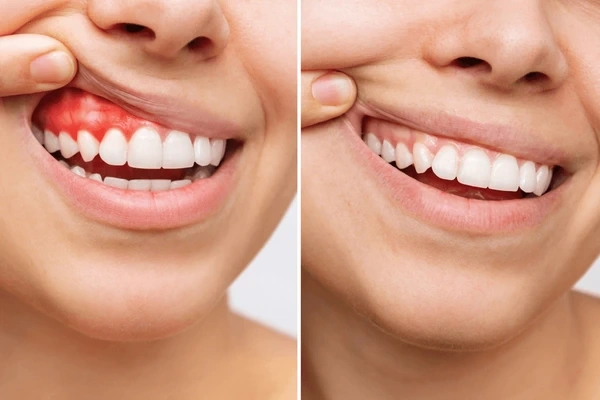
The details of your care will depend on the severity of your condition and the recommended procedure. When providing periodontal treatment in Everett, WA, we follow a careful process to support your comfort and oral health:
Gum evaluation
We examine the color, texture, and position of your gums and look for signs of inflammation.
Pocket measurements
We measure the spaces between your teeth and gums to determine whether periodontal pockets are present.
Digital imaging
We may take X-rays to assess the bone supporting your teeth.
Treatment planning
We explain our findings and recommend care based on the extent of the disease.
Periodontal treatment
We complete the appropriate procedure while focusing on comfort and careful tissue management.
Follow-up assessment
We monitor healing and determine whether additional care or periodontal maintenance is needed.
How to Care for Your Gums After Treatment
Your home care and follow-up visits play an important role in controlling gum disease. After treatment, we may recommend that you:
Brush gently twice daily with a soft-bristled toothbrush.
Clean between your teeth daily using floss or another recommended aid.
Follow medication instructions if any medication has been prescribed.
Avoid smoking or tobacco use because it can interfere with healing.
Attend periodontal maintenance visits at the interval recommended for you.
Contact us if symptoms worsen or you develop increasing pain or swelling.
Why Choose 19th Avenue Dental for Periodontal Treatment?
Managing gum disease often requires ongoing care rather than a one-time procedure. When you choose our clinic for gum care, you can expect:
Long-standing local care
We have served the Everett community for more than 20 years.
PPO insurance acceptance
We accept PPO insurance plans from major carriers.
Current dental technology
Our equipment supports accurate examinations and treatment planning.
A spacious facility
Our high-end office includes 5 operatories.
Convenient community access
Our established local practice is recognized within Everett and easy to reach.
Fully digital systems
We use digital X-rays and charts to keep your care organized and efficient.
Take Care of Your Gum Health
Bleeding, swelling, and gum recession should not be ignored, even when they are not painful. At 19th Avenue Dental, we offer periodontal treatment near you to manage gum disease and help protect the foundation of your smile.
Call us at (425) 541-8714 or visit us at 10217 19th Ave SE #203, Everett, WA 98208, United States to schedule an evaluation.
FAQs
How often will I need periodontal maintenance visits?
The recommended schedule depends on the severity of your gum disease and how well it responds to treatment. Some patients require more frequent visits than those receiving routine preventive cleanings.
Can periodontal disease return after treatment?
Yes. Treatment can control the condition, but gum disease may return if bacteria and tartar accumulate again. Consistent home care and maintenance visits help reduce this risk.
Will periodontal treatment eliminate bad breath?
Treatment may improve bad breath when gum disease and bacterial buildup are contributing factors. Other causes may need to be considered if the problem continues.
Can treatment stabilize a loose tooth?
A tooth may become more stable when inflammation is controlled, but the result depends on how much supporting bone and tissue remain. We will evaluate the tooth before discussing its outlook.
Is periodontal treatment uncomfortable?
Comfort varies depending on the procedure and the sensitivity of the tissues. Local anesthesia may be used during deeper treatment, and mild tenderness afterward usually improves as the gums heal.