
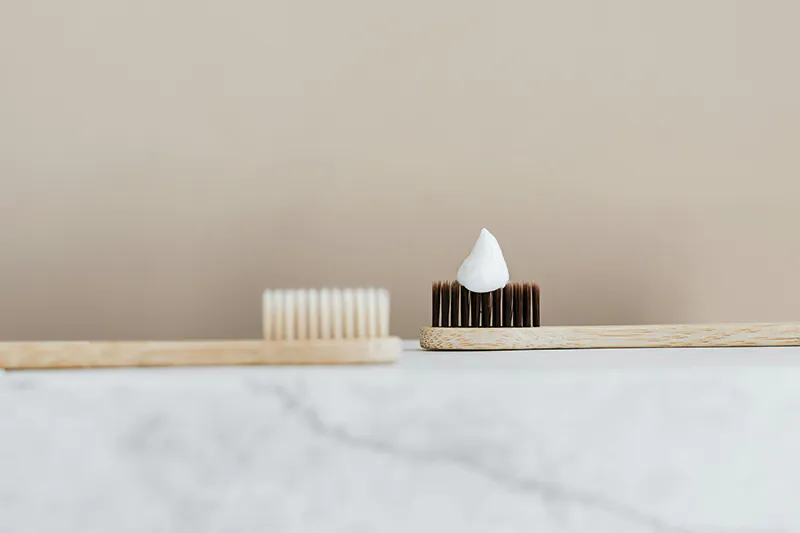
A healthy smile doesn't require an elaborate routine. In most cases, the habits you practice every day, along with regular preventive dental care, can go a long way toward protecting your teeth and gums.
From brushing and flossing to making thoughtful choices about what you eat and drink, small steps can help reduce your risk of cavities, gum disease, and other common dental problems. And while prevention is always the goal, knowing what to do if a dental emergency happens can help you respond quickly when you need it.
At 19th Avenue Dental, we want to help our patients in Everett, WA, maintain healthy smiles between visits. Here are some simple habits to incorporate into your routine.
Brush Your Teeth Twice a Day
Brushing is one of the most important things you can do for your oral health. Brush your teeth twice a day for about two minutes each time, using a soft-bristled toothbrush and fluoride toothpaste.
Use gentle, thorough motions to clean all surfaces of your teeth, including the fronts, backs, and chewing surfaces. Brushing too aggressively won't clean your teeth better and may irritate your gums or contribute to enamel wear over time.
Don't forget your tongue, either. Gently brushing your tongue can help remove bacteria and keep your mouth feeling fresh.
Clean Between Your Teeth Every Day
A toothbrush can't effectively reach all the way between your teeth. That's why cleaning between your teeth is an important part of your daily routine.
Traditional dental floss is one option, but floss picks, interdental brushes, and water flossers may also be useful depending on your needs and preferences.
If you're not sure which method is right for you, ask your dental team for guidance. The most effective option is one that you can use properly and consistently.
Rinse With Water After Eating or Drinking
You don't necessarily need to brush your teeth every time you eat. In fact, brushing immediately after consuming acidic foods or beverages may not be ideal because acids temporarily soften the enamel.
Instead, rinse your mouth with water after eating or drinking, particularly after consuming acidic or sugary foods and beverages. Water can help wash away food particles and dilute acids in your mouth.
If you've had something acidic, such as soda, citrus fruit, or an energy drink, it's generally better to wait before brushing. Drinking water and allowing your mouth time to recover can help protect your enamel.
Be Mindful of What You Eat and Drink
Your diet plays an important role in your oral health. You don't have to eliminate every sweet treat, but frequent exposure to sugar can increase your risk of tooth decay.
Try to limit frequent consumption of:
- Soda and other sugary beverages
- Sports and energy drinks
- Candy and other sticky sweets
- Sugary snacks throughout the day
- Frequent acidic drinks and foods
When possible, choose water as your primary beverage and opt for nutritious foods that support overall health. Crunchy fruits and vegetables, dairy products, lean proteins, and other nutrient-rich foods can all fit into a smile-friendly diet.
The frequency of sugar exposure matters, too. Constantly sipping or snacking on sugary drinks and foods gives cavity-causing bacteria more opportunities to produce acids that attack your enamel.
Don't Use Your Teeth as Tools
Your teeth are strong, but they're not designed to open packages or crack hard objects.
Using your teeth as tools can result in chipped, cracked, or fractured teeth. Likewise, chewing on ice, pens, fingernails, or other hard objects can put unnecessary stress on your teeth.
Protect your smile by using the appropriate tool for the job—and save your teeth for what they're meant to do: eating and smiling!
Visit Your Dentist Regularly
Even if your teeth feel perfectly fine, regular dental visits are an important part of maintaining your oral health.
During routine appointments, your dental team can look for early signs of cavities, gum disease, enamel wear, and other concerns that may not cause noticeable symptoms at first. Professional cleanings also help remove hardened plaque, or tartar, that can't be removed with brushing and flossing alone.
How often you need dental visits depends on your individual oral health and risk factors. Some people may benefit from visits every six months, while others may need more frequent care.
Regular appointments aren't just about treating problems; they're an opportunity to prevent problems or catch them early on, when treatment may be simpler.
Know What to Do in a Dental Emergency
Even with excellent preventive care, dental emergencies can happen. A knocked-out tooth, severe toothache, broken or cracked tooth, swelling, or dental injury may require prompt attention.
Having a plan ahead of time can make an unexpected situation less stressful.
If a permanent tooth is knocked out, for example, handle it carefully by the crown rather than the root, gently rinse it if it's dirty, and seek dental care as quickly as possible. Keeping the tooth moist while getting to the dentist is important; your dental team can provide specific guidance based on the situation.
For severe swelling, uncontrolled bleeding, difficulty breathing or swallowing, or other potentially serious symptoms, seek emergency medical care.
It's also a good idea to know how to contact your dental office if something happens outside regular appointment hours. Keeping your dentist's phone number readily available can save valuable time when you're dealing with an unexpected dental problem.
Healthy Smiles Start With Consistent Care
You don't need a complicated routine to take good care of your teeth. Focus on the basics:
- Brush twice a day with fluoride toothpaste.
- Clean between your teeth daily.
- Drink plenty of water.
- Limit frequent exposure to sugary and acidic foods and drinks.
- Avoid using your teeth as tools.
- Visit your dentist regularly.
- Know how to respond if a dental emergency occurs.
These everyday habits can help protect your teeth and gums and keep your smile healthy for years to come.
At 19th Avenue Dental in Everett, WA, we're here to support your oral health at every stage. Whether you're due for a routine checkup or experiencing a dental concern, our team is here to help you keep your smile healthy, comfortable, and confident.
